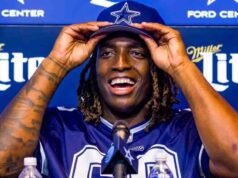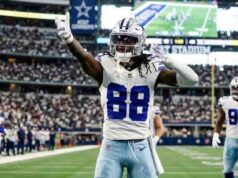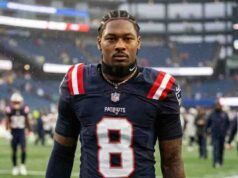



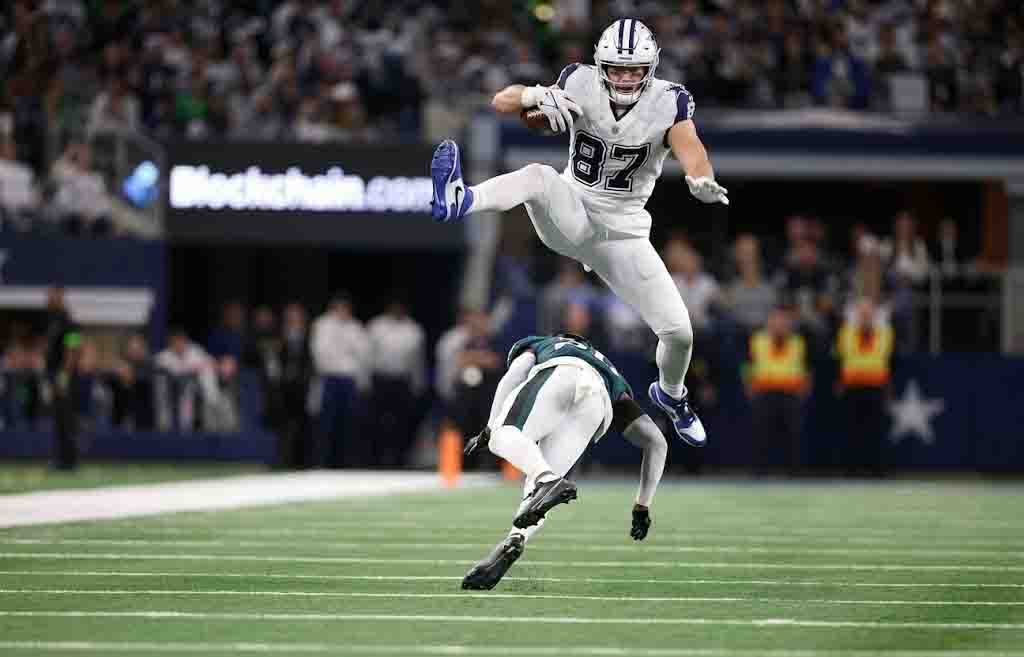
The Cowboys TE2 battle behind Jake Ferguson is one of the quieter storylines of this year’s training camp, but it’s worth paying attention to. Most fans have already penciled in Brevyn Spann-Ford as the presumptive TE2, which would push former second-round pick Luke Schoonmaker toward the roster bubble alongside undrafted free agent Michael Trigg. That consensus isn’t locked in yet, though.
Why Spann-Ford Is the Presumed Favorite
Spann-Ford enters camp with momentum. He’s bigger-bodied, blocks well enough to stay on the field on early downs, and has shown steady development since Dallas drafted him. In a Cowboys offense that leans on Ferguson as a true every-down weapon, having a TE2 who can also handle in-line blocking responsibilities gives Dallas more flexibility with personnel groupings — something that matters more given how much this offense already asks of its receiver room, including George Pickens’ expanding role.
Why Schoonmaker Isn’t Out of It
Here’s the thing about a “presumed” starter — it’s not the same as a settled one. Schoonmaker was a second-round investment not that long ago, and second-day draft picks at tight end typically get a real runway before a team gives up on them. If Schoonmaker starts pulling second-team reps once camp practices begin in Oxnard, that’s a real signal the coaching staff isn’t ready to hand Spann-Ford the job outright.
Tight end competitions like this one often come down to special teams value and reliability in the passing game as much as raw talent. Schoonmaker’s route-running background gives him a different skill set than Spann-Ford’s blocking-first profile, and offensive coordinator Klayton Adams has shown a willingness to get creative with personnel — the same instinct that’s fueling speculation about Pickens moving around more in 2026.
Where Michael Trigg Fits
Trigg, an undrafted free agent, is the wild card here. Undrafted tight ends rarely win a TE2 job outright in year one, but they can absolutely win a roster spot as a developmental piece or core special-teamer, especially on a team that’s otherwise settled at most other positions. Watch how much Trigg is used in specific packages — red zone, two-tight-end sets — as a sign of how the staff actually views his ceiling.
What This Battle Means for the Offense
A capable TE2 changes what Dallas can do schematically. Two-tight-end sets give the offense more disguise options in the run game and create favorable matchups in the passing game, particularly against teams that struggle to defend both a receiving tight end and a true in-line blocker simultaneously. Given how much Dak Prescott’s protection and the left tackle competition already factor into this offense’s ceiling, having a reliable second tight end adds another layer of flexibility for offensive coordinator Klayton Adams to work with.
None of this is likely to generate major headlines out of Oxnard. But roster battles like the Cowboys’ TE2 competition are exactly the kind of thing that quietly shapes a season — the difference between an offense with real answers in two-tight-end personnel and one that’s forced to play its hand the same way every single snap.